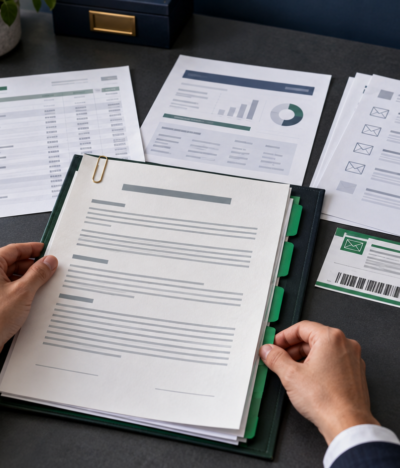
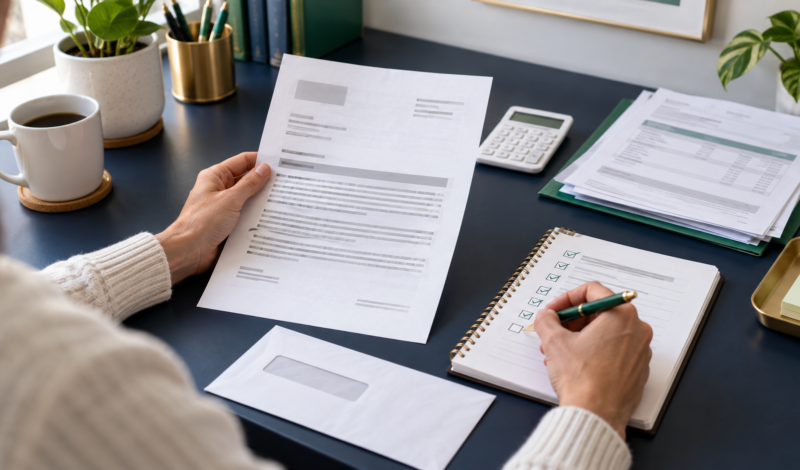

A debt validation notice is information a debt collector must provide about a consumer debt and your rights to respond. Before you pay, ignore, or dispute the account, check the notice carefully. Under the Fair Debt Collection Practices Act and Regulation F, validation information is designed to help you identify the debt, understand who is collecting it, review the amount, and know how to dispute or request additional information. At Justice Consumer Law, we encourage consumers to compare the notice with their own records before taking action. A familiar creditor name does not necessarily mean every balance, date, fee, or collector detail is correct. A notice is the beginning of the verification process, not proof that you automatically owe everything stated on the page.
What a Debt Validation Notice Is Supposed to Tell You
Federal debt-collection law requires covered debt collectors to provide validation information in the initial communication or within the required period after that communication, subject to the governing rules. Regulation F contains a model validation notice and detailed information requirements.
Identify the collector and the debt
Check the debt collector’s name and mailing information, the consumer name shown on the notice, and information identifying the creditor and debt. Compare those details with your statements and prior correspondence. If the original creditor is unfamiliar, that is a reason to investigate before sending money.
Review the amount and itemization
Look at the stated amount and any itemization information. Compare it with your last known balance, payments, settlements, credits, fees, or other records. If the amount does not make sense, write down the specific discrepancy rather than assuming the entire notice is invalid.
Find the dispute information and response date
The notice should explain your dispute rights and provide the date by which the collector will assume the debt information is correct for purposes of the notice if you do not dispute it. Read that section carefully and keep the envelope or electronic delivery record showing when you received the notice.
What to Check Before You Respond
A thoughtful response starts with identity, ownership, amount, and history. Do not provide sensitive information merely because a caller pressures you to ‘verify’ yourself.
Does the debt belong to you?
Check the creditor, account information, approximate age of the account, address, and your own records. If the debt belongs to someone else, say that clearly in a dispute. If identity theft may be involved, preserve the notice and related reports.
Is the collector describing the correct creditor relationship?
Debts can be placed with collection agencies or sold to debt buyers. Review whether the notice identifies the creditor and the collector in a way that lets you understand who is seeking payment. If that chain is unclear, preserve the notice and ask for information through the applicable dispute process.
Does the amount match your records?
Compare principal, interest, fees, payments, and credits when those figures are available. A concrete math or payment discrepancy gives you something specific to dispute.

How a Written Dispute Can Affect Collection Activity
Under the FDCPA validation process, if a consumer sends a qualifying written dispute within the statutory validation period, the debt collector must cease collection of the disputed debt until it obtains and mails verification, subject to the law’s requirements. The statute also states that failing to dispute a debt under this section cannot be treated by a court as an admission of liability.
Keep proof of the dispute
Save the signed letter, attachments, mailing receipt, delivery confirmation, and any response. If you dispute electronically through a method the collector provides, preserve screenshots and confirmation messages.
Do not confuse validation with a court deadline
A validation notice is not the same as a summons or complaint in a debt-collection lawsuit. If you have been sued, court response deadlines can apply independently of the validation process. Our guide on responding to a debt collection lawsuit addresses that separate situation.
Warning Signs That Deserve a Closer Look
A validation notice can reveal problems worth documenting, but not every typo or disagreement automatically creates a legal claim.
The account is not yours or the balance is materially wrong
Preserve documents showing the mismatch. If the same account is also being reported inaccurately to credit bureaus, review our FDCPA and FCRA legal-help page because debt collection and credit reporting can involve separate legal duties.
Collection continues after a timely written dispute without verification
If you sent a qualifying written dispute during the validation period, keep a record of later collection letters, calls, texts, or other activity and the date verification was received, if any. The sequence can matter when we review the collector’s conduct.
How Justice Consumer Law Can Review the Notice
Our debt collector harassment and FDCPA page describes the collection issues we handle. If you are unsure whether a validation notice accurately identifies the debt or whether collection activity continued in a way that raises an FDCPA concern, request a free case review. We can look at the notice, your records, your dispute, and the collector’s response.
Bring the complete communication history
Include the first collection communication, validation notice, envelope or delivery record, dispute letter, proof of delivery, verification response, payment records, and subsequent calls or letters.
Conclusion
A debt validation notice gives you information to evaluate before responding. Check the collector, creditor, account, amount, itemization, dispute instructions, and response date. Compare the notice with your own records and preserve proof of any dispute. Justice Consumer Law can review collection conduct when the facts suggest an FDCPA problem. This article is general information and not legal advice.
Frequently Asked Questions
These common questions can help you organize the issue before you decide what to do next.
Is a debt validation notice proof that I owe the debt?
No. The notice provides required information about the debt and your rights. You should compare it with your own records before deciding how to respond.
How long do I have to dispute after receiving validation information?
The FDCPA validation framework includes a 30-day dispute period. Read the notice carefully because it should provide a specific response date under Regulation F.
Does failing to dispute mean I admit that I owe the debt?
No. Not disputing the debt does not automatically mean you agree that the debt is accurate.
What happens if I dispute the debt in writing during the validation period?
For a qualifying timely written dispute, the collector generally must stop collection of the disputed debt until it obtains and mails verification as required by the statute.
Is a validation notice the same as a lawsuit summons?
No. A court summons or complaint creates a separate legal process and may carry independent response deadlines.
What should I send Justice Consumer Law for review?
Send the validation notice, first collection communication, dispute, proof of delivery, verification response, and records of later collection activity.